In recent years, telemedicine has transformed how patients access healthcare, and dermatology is no exception. Teledermatology platforms— digital tools that allow patients to consult with dermatologists remotely— are reshaping the landscape of skin care and diagnosis. By combining technology with medical expertise, these platforms are making dermatological care more accessible, efficient, and patient-centered than ever before.
Expanding Access to Dermatological Care
One of the most significant benefits of teledermatology is improved access to care. Many people, especially those living in rural or underserved areas, face long wait times or must travel significant distances to see a dermatologist. Teledermatology eliminates these barriers by enabling patients to upload images of their skin concerns or participate in virtual consultations from the comfort of their homes. This increased accessibility ensures that more individuals can receive timely evaluations and treatment recommendations.
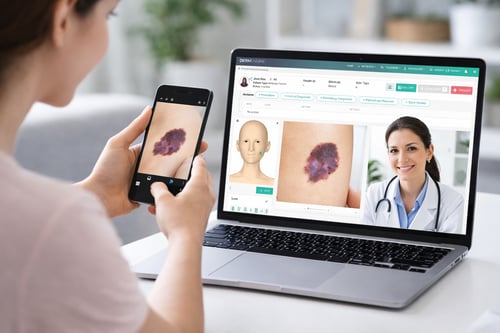
Speed is another key advantage. Traditional dermatology appointments can take weeks or even months to schedule, delaying diagnosis and treatment. Teledermatology platforms, such as DermEngine, offer faster turnaround times, with some providing same-day or next-day consultations. Early detection is particularly important for conditions like skin cancer, eczema, or severe acne, where prompt intervention can significantly improve outcomes.
Key Benefits of Teledermatology Platforms
Teledermatology offers a range of practical advantages that benefit both patients and healthcare providers:
- Faster diagnosis and treatment: Reduced waiting times help patients begin care sooner.
- Lower costs: Fewer travel expenses and often lower consultation fees.
- Greater accessibility: Especially valuable for rural or mobility-limited patients.
- Convenience: Consultations can be done from home, often asynchronously.
- Improved follow-up care: Easier monitoring of chronic skin conditions.
Cost-effectiveness is another major benefit. Teledermatology reduces expenses associated with in-person visits, such as transportation, time off work, and clinic overhead. For healthcare systems, it can streamline workflows and reduce the burden on physical clinics. For patients, especially those without comprehensive insurance coverage, virtual consultations are often more affordable, making dermatological care more financially accessible.
Enhancing Patient Experience and Clinical Efficiency
Another advantage is convenience and flexibility. Teledermatology platforms allow patients to seek care at times that fit their schedules, without the need to rearrange their day for an appointment. Many platforms also offer asynchronous consultations, where patients submit photos and information and receive a diagnosis later. This flexibility is particularly valuable for busy professionals, parents, and individuals with mobility challenges.
Teledermatology also enhances continuity of care. Patients with chronic skin conditions such as psoriasis or rosacea can easily follow up with their dermatologist, share progress updates, and adjust treatment plans without frequent in-person visits. This ongoing communication helps improve treatment adherence and overall outcomes. Additionally, digital records and image tracking allow dermatologists to monitor changes over time more effectively.
.png?width=500&height=500&name=DermEngine%20-%20Teledermatology%20(1).png)
From a clinical perspective, teledermatology can support more efficient triaging. Dermatologists can quickly assess which cases require urgent in-person evaluation and which can be managed remotely. This prioritization helps optimize healthcare resources and ensures that patients with serious conditions receive timely attention.
However, it's important to acknowledge limitations. Not all skin conditions can be accurately diagnosed through images alone, and some cases still require physical examination or biopsy. Image quality, lighting, and patient-provided information can also impact diagnostic accuracy. Despite these challenges, ongoing advancements in imaging technology and artificial intelligence are continually improving the reliability of remote assessments.
Conclusion
Teledermatology platforms are revolutionizing skin care by increasing access, reducing costs, and delivering faster, more convenient care. While they are not a complete replacement for in-person visits, they serve as a powerful complement to traditional dermatology, helping more people receive the care they need when they need it.
-The MetaOptima Team
Thanks for reading! Curious about how DermEngine can improve your practice? Request a demo below with a team member and see for yourself.

Topics: Total Body Imaging Total Body Photography Teledermatology Skin Cancer Screening Teledermatology Platform Advanced Dermatology Advanced Teledermatology Skin Imaging System Intelligent Dermatology
Register for a Free Online Demo
Curious about how DermEngine can benefit your practice?

Talk to a product specialist and have all your questions answered.